The Role and Wisdom of Curanderismo Healing Practitioners

Updated: Mar 31
Curanderismo, part of Traditional Indigenous Medicine, is a beautiful, ancient tradition rooted deeply in the Americas. My own focus is on Curanderismo as it is practiced in Mexico. As someone who has spent decades learning and sharing about these practices, I find the role of curanderismo healing practitioners, known as curanderas/curanderos, to be vital to the cultural and spiritual well-being of our Indigenous, Chicane, and Mexican communities -- even outside of our communities. They serve as guides, healers, counselors, mentors, and keepers of practices passed down through generations, dating back to before the invasion of our lands by Europeans.
Understanding Practitioners
Curanderismo practitioners are more than just healers; they are nurturers of the heart and spirit. Their hands touch with respect and compassion. Their spirit eyes transcend time and space to help return the soul and spirit to those who have suffered profound trauma.
Each practitioner has their own unique calling, journey, training, and customs. Not everyone is an herbalist. Not everyone has abilities that appear to go beyond what one sees or experiences in everyday life. Some have a humble and powerful connection to Spirit that makes their prayers miraculous medicine without any other external tool. Yet each session with a respected and experienced curandero or curandera can be a journey to developing an understanding of our patterns of thought, belief, and behavior. Sometimes, we discover that there is more to our illness, trauma, or view of what is possible. The shift can be sudden or take time to process and integrate. Either way is what is needed.
What makes curanderas and curanderos different from other health practitioners is the deep respect we have for our ancestral philosophy, the curanderos who came before us, the lengthy and often arduous traditional training with a teacher, and our own connection with Creator/Spirit, the land, and the interconnectedness of all things.
Healing Practices and Tools
The tools and practices of Curanderismo practitioners are as varied as the people we serve. Here are some of the most common elements:
Herbal Remedies: Tree resins like copal (the color of the copal informs how it is to be used), plants such as white sage (salvia apiana, when given permission to gather and use by local tribes), rosemary, and ruda are staples. We often use these and other herbs in teas, baths, or burned as incense for purification of the body, mind, spirit, and environment.
Spiritual Cleansing (Limpias): This ritual involves sweeping the body with plants, a raw egg in its shell, limes, or feathers to shift stagnant energy or remove negative energy. We may also bathe you with specially gathered herbs and plants. There are many types of limpias.
Prayer: Invoking Creator, spiritual guides, and ancestors is a foundational part of the healing process.
Massage and Energy Work: Techniques such as sobada (Indigenous massage) help release physical tension and promote circulation.
Ritual Offerings: Candles, flowers, and other sacred items are used to honor the healing, ceremonies, and Guardian Spirits and invite healing to take place in a way that what the client needs.
There are specialties within the vast system of cultural healing known as Curanderismo that are not covered here at this time. This includes midwifery or traditional birth attendants known as Parteras or Comadronas, Indigenous acupuncture (not Chinese acupuncture), bone-setting, graniceros or weather workers, and the use of sweat lodges.

Who are some famous curanderas and curanderos?
Throughout history, many curanderos have gained recognition for their healing abilities and dedication to preserving traditional ways. These individuals often become respected pillars in their communities, offering guidance and comfort
-- even leading social justice marches and defending their tribe, culture, and land.
An immensely respected Hitevi (Yaqui for curandera) was Maria Matus from Vicam Pueblo in Sonora, Mexico. She began healing at the age of 10 and continued until her death in 2015 at the age of 97. According to testimonies, María was able to work with the power of prayer and the touch of her hands on earth, fire, air, and water, as well as the energetic virtues of stones. There are videos where she is seen extracting nails from the skin and hair from the mouths of the sick, which, according to her, were the main causes of their ailments.

Another renowned living Hitevi (Yaqui curandera) is Doña Petra of the Huirivis Yaqui community in Sonora, Mexico. She heals with her hands, prayer, herbs, and through the guidance of spiritual doctors. It is known that many prominent people in Mexico and elsewhere have gone to her when they were not healed by conventional means. “Most importantly, as she mentions, "she heals through eternal light, divine light, powerful light, and through characters who are doctors, eminent figures in medicine, but who died centuries ago, some even before Christ, and the spirits of each of these doctors somehow came to Doña Petra, and together they heal people." Source
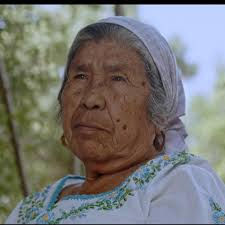
These curanderas remind us that healing is deeply connected to culture, history, land, and community. One must be called to this medicine by the ancestors and holy spirits through dreams or visions.
By embracing and uplifting our cultural traditions, we honor the resilience, humility, and dedication of the people of power who nurtured their communities' physical and spiritual well-being for centuries.
Today, practitioners of Curanderismo who have undergone traditional training with elders, and those who support them, are part of ongoing efforts to preserve culture-specific practices, a form of cultural resistance. They have made a commitment to continue learning and healing in order to serve our communities with love, discernment, wisdom, and in relationship to the high holy forces that guide and protect them.
Curanderismo is a lifelong path of learning, self-healing, reflection, and service.
It is a path of the heart, with heart.


Thank you
This was a really grounded and respectful explanation of curanderismo and it's traditions. I appreciate how you clarified the role, beyond common misconceptions - it truly reflects the depth, tradition and purpose of the practice.